This article from Skift.com reports on President Obama's recent visit to Africa and how the continent's tourism sector is evolving. Read the full story below:
With excitement and expectation to see a tourism boom in Africa, tourist stakeholders are looking at the official tour of the continent by US President Barack Obama as a kick-start to the tapping of the rich American tourist market through the publicity of his visit.
Once regarded as a continent “doomed with diseases, wars and poverty” by most Americans, Africa is now a destination of choice for US residents in terms of investment and holidays, according to sources from the US Department of Commerce.
Rich in wildlife, natural tourist attractions, diversified cultures and favourable weather conditions for human health, Africa is growing to be the US businesspeople’s number-one investment destination owing to its rich resources including big reserves of minerals, natural gas and oil in trillions of cubic metres, and wildlife.
Tanzania is among three African nations on the itinerary of Mr. Obama’s week-long tour of this continent. Tanzanian Minister for Natural Resources and Tourism, Mr Khamis Kagasheki, said the tour of the US president will attract more Americans to know this country through global media coverage.
President Obama will be accompanied by a delegation comprising high-profile US business personalities who will be booked in various hotels available in places he will be visiting. America is a number-one tourist source market which Tanzania is currently targeting.
According to the Tanzania Tourist Board, the official tourist marketing, promotion and publicity institution, American tourists and holidaymakers rank second after Britons. About 60,000 American tourists visit Tanzania every year, against 65,000 British tourists visiting various tourist attractions.
Mr. Kagasheki said the number of tourists who visited Tanzania last year rose to over the one-million mark, a 24 per cent increase on the 867,994 figure the previous year. The increase was a result of an increased number of accommodation facilities as well as better infrastructure made up of roads and airways to get the tourists to their destinations, Tanzanian officials say.
Americans are counted to be high-quality and highspending tourists visiting Tanzania, including high-spending trophy hunters counted estimated at over 4,000 per year. Photographic safari American tourists outnumber the other categories, while Mount Kilimanjaro and sports tourists from the US visit the country every year.
Trophy hunting in Tanzania has been attracting US tycoons, mostly from Texas, who are ranked the highest-spending holidaymakers visiting this country. Mount Kilimanjaro, Ngorongoro Crater and Serengeti National Park are the leading tourist sites attracting most photographic tourists, while Selous Game Reserve, with a total area of 55,000 square kilometers, is the leading paradise for trophy hunters.
Mr. Kagasheki said his ministry was thinking of coming up with a slogan: “Obama has visited Tanzania, when are you?”, which could later be changed to, “Three American presidents have already toured Tanzania, what about you?”
But big tourist hotels in Tanzania’s commercial capital, Dar es Salaam, are expecting to gain good business from Obama’s entourage, at the same time getting a big media splash through American media that would be an added advantage to Tanzania’s tourism trade.
During the visit by then President George Bush in this country way back in 2008, all big hotels were fully booked by his entourage while tourists from other nationalities were diverted to less elegant hotels and guest-houses, thus creating good business for small and medium accommodation facilities in Dar es Salaam.
Tourism authorities and businesses from Dar es Salaam and the Tanzania’s northern tourist city of Arusha have been striving to attract Obama’s entourage in order to gain more profits and mileage in the global tourism industry.
Tanzania, the largest country in East Africa, is focused on wildlife conservation and sustainable tourism, with approximately 28 per cent of its land mass being protected by the government for wildlife and nature conservation. Tanzania’s tourism sector comprises 16 national parks and 32 game reserves, the legendary Mt. Kilimanjaro, the famous Serengeti National Park, Ngorongoro Crater, the Olduvai Gorge where the skull of the earliest man was discovered, Selous Game Reserve, Ruaha National Park – now the largest national park in Africa, and the spicy islands of Zanzibar.
Other than hunting and photographic trips to Tanzania, American-based travel and tourism organizations have in the recent past chosen Tanzania as their meeting ground in Africa. These organizations include the International Institute for Peace Through Tourism (IIPT), which held its Third African Conference in Dar es Salaam in 2003; Africa Travel Association (ATA) Conference, which held its 33rd World Congress (Conference) in Arusha in 2008, and the Eighth Leon H. Sullivan Conference held in the same year.
The First Travellers Philanthropy Conference was also held in Arusha in 2008, bringing in over 250 delegates from the USA and other countries where American tourists are sourced, including Europe, the Pacific, Asia and the Caribbean islands.
Over 200 African descendants in the United States Diaspora gathered in Tanzania three years ago (2009) in a mission to explore the ancestral origins of their great grandparents during the African Diaspora Heritage Trail Conference.
With the theme: “An African Homecoming: Exploring the Origins of the African Diaspora and Transforming Cultural Heritage Assets into Tourism Destinations,” the conference participants discussed and broadened their knowledge on Africa that would help them to protect African Diaspora traditions and legacy found in communities from which they originated.
Most delegates were from the United States of America, Latin America and the Caribbean islands of Bermuda, Antigua and Barbuda, Bahamas, Barbados, Trinidad and Tobago, Turks and Caicos, Jamaica, Martinique and St. Lucia. The conference helped to preserve the global presence and cultural influence of the people of African descent and contributed their knowledge to the world stage of history, culture and contemporary affairs, organizers said.
The conference attracted educational, governmental and tourism professionals. It brought to Tanzania and Africa prominent African- Americans and celebrities to trace their origins. Apart from the African Diaspora Heritage Trail Conference, several tourist and investment gatherings also took place in Tanzania during the past 10 years, all organised in the United States.
Obama’s roots, which are in Kenya, had so far added more excitement among Africans to see the first black president of the United States. In 1997 the former US Secretary of State, Mrs. Hillary Clinton, visited Tanzania for the first time to become the first American First Lady to visit this country, accompanied by her daughter, Chelsea.
Looking at the African continent as a whole, Obama’s visit to Senegal, South Africa and Tanzania has so far attracted many Africans with great expectations to see this continent get more exposed in America. Compared to Europe, Asia and now China, Africa remained on the dark side of the American people.
During the tour of Obama to Africa, the countries he will visit are expecting to see an increase in publicity that will create a great opportunity to their tourism industry. Africa will be home to the largest workforce in the world within 50 years.
In the short term, rapid urbanization is contributing to a growing demand for consumer goods and fuelling the need for infrastructure and other development, said the US Senate Chair for Foreign Relations Subcommittee on African Affairs, Senator Chris Coons.
“As American companies increase investments in Africa, they will improve their access to these dynamic markets, resulting not only in attractive rates of return on investments, but also in growth for the US economy that will lead to job creation”, Senator Coons said in March, this year.
“The Department of Commerce can and should serve as an important force multiplier for American companies abroad. Yet, the reduced footprint of the Foreign Commercial Service in Africa translates into missed opportunities for American businesses. We must do more to ensure the presence of the Commercial Service is aligned with current market demands and future business opportunities on the continent,” he said in his recently published report.
America is home to a large and vibrant African Diaspora population – a group with personal, familial, cultural and business ties to their home countries. Engaging the African Diaspora community in the United States will strengthen economic ties and promote trade and development. The United States possesses a valuable resource in its vibrant African Diaspora communities.
These individuals, communities and businesses offer a bridge to the African continent that should be leveraged to its full potential to develop economic opportunities, Senator Coons added.
The Senate Foreign Relations Subcommittee on African Affairs convened to explore the economic potential of sub- Saharan Africa and identify concrete, substantive steps forward to increasing US-Africa investment and trade and which would provide a roadmap for developing a more cohesive, effective strategy for US economic engagement with Africa in both the public and private sectors.
For more updates on tourism in Africa, visit this Palace Travel Facebook page.
Tuesday, July 2, 2013

Wednesday, May 29, 2013
REPOST: "Tourism numbers show South Africa setting itself apart, says Zuma"
South Africa's unprecedented boom as a tourism hub has sparked an exciting discussion on the country's effective marketing strategies. Read this Business Day Live article to learn more:
More updates on African tourism may be found on this Palace Travel Facebook page.
 |
| President Jacob Zuma, second from right, at the V&A waterfront after announcing the 2012 tourism figures on Thursday. Image credit: Business Day Live |
South Africa’s “phenomenal” growth in foreign tourism last year demonstrated that the country’s marketing efforts were on track, President Jacob Zuma said on Thursday as he announced a 10.2% rise in foreign arrivals.
In break with tradition, Mr Zuma and not the Minister of Tourism, Marthinus van Schalkwyk, announced the statistics at a media briefing in Cape Town.
According to the figures, South Africa outstripped the average global growth rate of about 4% as estimated by the UN World Tourism Organisation with strong year-on-year growth (33.7%) coming from Asia. Excluding Africa, which produced a 7.5% growth in tourists to South Africa last year, overseas tourist numbers rose by 15.1%, which was one of the highest growth rates in the world.
Mr Zuma attributed the success to the decision taken in 2009 to create a separate department of tourism which was subsequently identified as a key job-creating sector of the economy. The national tourism strategy envisages South Africa as among the top 20 world tourist destinations by 2020 and that the sector would create 225,000 additional jobs by then and contribute about R500bn to gross domestic product (GDP).
Tourism Minister Marthinus van Schalkwyk told journalists that the infrastructure put in place for the 2010 World Cup had stood South Africa in good stead and it now had good facilities. South Africa’s participation in the grouping of Brazil, Russia, India and China (Brics) also had the huge potential to boost tourism. They accounted for 330,834 of the international tourist numbers last year.
The growing importance of tourism to the economy was highlighted by Statistics South Africa data which showed that in 2011 the direct contribution of tourism to GDP rose by 5% to R84.3bn — well above the 3.1% growth in the economy in 2011-12. Domestic tourism expenditure expanded to R101bn in 2011 from R69bn in 2010.
More updates on African tourism may be found on this Palace Travel Facebook page.
Monday, May 6, 2013
Robben Island: A bastion of justice and a testament to the human spirit
 |
| Image Source: travel.nationalgeographic.com |
Between the 17th and 20th century, Robben Island holds a repute of unrivaled infamy. It was a hellhole—a maximum security prison for political prisoners, a wastebasket where people not accepted by society are thrown into, and a field where the military trains and rules overpoweringly.
What remains in the islands are vestiges of its troubled past: quarries from the 17th century, Hadije Kramat’s tomb, ruins of what used to be a leper colony, a 19th century village complete with administrative buildings and a parsonage, WWII military structures, and a small lighthouse. These are all but reminders of South Africa’s Apartheid regime, a racial segregation system which was enforced by National Party (NP) governments. The regime’s philosophies, which touched almost all aspects of life in South Africa, curtailed the rights of all black inhabitants and upheld the white supremacy mentality. In this state, native Africans became a minority in their own homeland, and Robben Island all stood witness to these atrocities.
 |
| Image Source: -cs-students.stanford.edu |
In a fortunate twist of fate, all of these came to an end in the 1990s when the regime has been finally overturned by South Africa’s citizenry. All of the political prisoners were released, and after many years of being incarcerated in the land of their birth, they finally got to experience the sweetness of freedom.
For all that it was and has become, Robben Island is a fitting testament to the human spirit—a witness to the power of democracy and its triumph over racism and oppression.
 |
| Image Source: dreamcatchermarketingllc.com |
Africa, despite having a tumultuous history, also holds its fair share of hopeful stories. Get to discover them by visiting this Palace Travel Facebook page.
Tuesday, April 2, 2013
REPOST: “South African tourism industry upbeat”
South Africa is finally gaining momentum after several years of sluggish tourism performance. The following article discusses how this newfound drive is affecting the country's tourism industry.
South Africa's tourism industry is showing signs of a return to "business as usual", or slightly better than usual, following a couple of very tough years, judging by the latest Tourism Business Index from the Tourism Business Council of South Africa (TBCSA) and FNB.
According to consultancy Grant Thornton, who compile the index, the results for the last quarter of 2012 "confirm a return to normal trading levels and an overall positive outlook for the travel and tourism sector in 2013".
The index came in at 104.6 for the fourth quarter, up on 101.1 in the third quarter - a huge improvement on the 87.3 scored in the fourth quarter of 2011. The forecast for the first quarter of 2013 is 102.4. A score of 100 is considered normal.
Speaking at the release of the index in Johannesburg last week, TBCSA board chairman Mavuso Msimang said performance levels above the norm for two quarters running was "a clear indication of the extent to which business is recovering from the recessionary impacts and excess of supply it suffered post the 2010 Soccer World Cup".
The sector's resilience and ongoing long-term potential shows through in the business and investor confidence for capacity and employment increases, according to Grant Thornton.
However, in spite of the return to regular trading levels and the positive outlook, a number of factors remain a concern.
"Global economic uncertainty and ongoing recession risk, coupled with the negative profiling of South Africa internationally through labour and community unrest, weighs heavily as a constraint for the sector," said Gillian Saunders, Grant Thornton's head of advisory services.
"Input cost increases from rates, electricity and fuel costs were also cited as negative factors affecting business performance," she added.
Wiza Nyondo, FNB's head of tourism, said the results showde that "the market has begun to recognise South Africa as a sought after destination.
"Although we've seen some instability, we still believe in South Africa's diverse offering of services and products where industry professionals can partner to help transform our country," Nyondo said.
According to the survey, the majority of accommodation sector respondents expect domestic business markets to offer the best potential growth for 2013, followed by foreign leisure and then domestic leisure.
Other tourism businesses expect growth to come from foreign leisure markets, followed by domestic markets.
Get more news and updates on African tourism by liking this Palace Travel Facebook page.
South Africa's tourism industry is showing signs of a return to "business as usual", or slightly better than usual, following a couple of very tough years, judging by the latest Tourism Business Index from the Tourism Business Council of South Africa (TBCSA) and FNB.
According to consultancy Grant Thornton, who compile the index, the results for the last quarter of 2012 "confirm a return to normal trading levels and an overall positive outlook for the travel and tourism sector in 2013".
The index came in at 104.6 for the fourth quarter, up on 101.1 in the third quarter - a huge improvement on the 87.3 scored in the fourth quarter of 2011. The forecast for the first quarter of 2013 is 102.4. A score of 100 is considered normal.
Speaking at the release of the index in Johannesburg last week, TBCSA board chairman Mavuso Msimang said performance levels above the norm for two quarters running was "a clear indication of the extent to which business is recovering from the recessionary impacts and excess of supply it suffered post the 2010 Soccer World Cup".
The sector's resilience and ongoing long-term potential shows through in the business and investor confidence for capacity and employment increases, according to Grant Thornton.
However, in spite of the return to regular trading levels and the positive outlook, a number of factors remain a concern.
"Global economic uncertainty and ongoing recession risk, coupled with the negative profiling of South Africa internationally through labour and community unrest, weighs heavily as a constraint for the sector," said Gillian Saunders, Grant Thornton's head of advisory services.
"Input cost increases from rates, electricity and fuel costs were also cited as negative factors affecting business performance," she added.
Wiza Nyondo, FNB's head of tourism, said the results showde that "the market has begun to recognise South Africa as a sought after destination.
"Although we've seen some instability, we still believe in South Africa's diverse offering of services and products where industry professionals can partner to help transform our country," Nyondo said.
According to the survey, the majority of accommodation sector respondents expect domestic business markets to offer the best potential growth for 2013, followed by foreign leisure and then domestic leisure.
Other tourism businesses expect growth to come from foreign leisure markets, followed by domestic markets.
Get more news and updates on African tourism by liking this Palace Travel Facebook page.
Sunday, March 3, 2013
Egypt: More than pyramids
Ask people what they’ll first think when they hear the word Egypt, and they’ll probably say the pyramids. But Egypt, with its 5,000-year-old civilization, is more than just the famed Great Pyramids, however majestic they may be.
 |
| Image Source: lonelyplanet.com |
 |
| Image Source: protoursegypt.com |
Visiting Egypt is an exciting experience like no other. And if the colossal monuments fail to take tourists’ breath away, the 5,000 years' worth of storytelling via extensive historical collections in the Museum of Egyptian Antiquities will not. The museum, most commonly known as the Museum of Cairo or, simply, the Egyptian Museum, is home to 120,000 ancient Egyptian antiquities, including the death mask of King Tutankhamun, made of solid gold, and the mummified remains of many pharaohs.
 |
| Image Source: protoursegypt.com |
From ancient cities and temples to colorful markets and luxury hotels, Egypt has much to offer to the modern tourist—one only has to look harder; however, with highly reviewed tour operators, like Palace Travel and Select Egypt, offering a full range of the magical Egypt experience, exploring Egypt has become a far better and more convenient experience than what?.
No other African tour operator has received more glowing reviews than Palace Travel. Visit this website for more information on tour packages it offers.
Monday, February 4, 2013
REPOST: Top 5 Dive Destinations
Are you a diving fanatic? Then read this article by Adam Roy featuring the top five diving destinations around the world.
There are many great reasons to scuba dive, but the one that most captures people's imagination is marine wildlife. Red Sea Beach RestaurantFrom schools of tropical fish to sharks, tropical seas house an impressive chunk of Earth's life that most people only ever see on the Discovery channel. Still, as a diver, I firmly believe that swimming with a school of fish or sharing a manta ray's habitat for a few minutes is about more than recreation.
Seeing the ocean animals in their natural habitat makes them seem more real and worth protecting than any TV program could. At each of these five incredible destinations, divers can get up close and interact with some of the planet's most powerful and beautiful animals. The action is just below the surface at many of these sites, so even novice divers can participate.
1. Palau.
There are a whole host of good reasons to dive in Palau, a tiny island nation in the south Pacific. The islands have been famous as a wreck diving site since 1969, when Jacques Cousteau came to Palau's Chuuk Lagoon in 1969 to film the wreckage of Japan's Pacific fleet, most of which sunk there during World War II. The wrecks have since been colonized by a variety of marine life that includes corals, rays, turtles, and over 200 species of fish.
Above all, Palau is known for it's sharks, with some 130 threatened species inhabiting the islands. To protect the islands' ecosystem, Palau's government in 2009 named the country's waters a 'shark sanctuary', banning all commercial shark harvesting. Divers are likely to run into grey reef sharks, whitetips, and other species patrolling both wrecks and wall sites like Blue Corner.
2. The Great Barrier Reef.
While most Americans would be hard-pressed to find Palau on a map, even non-divers know the Great Barrier Reef. Running nearly 1,500 miles down the eastern coast of Australia, the Great Barrier Reef is the largest reef in the world and is said to be visible from space. To go with its size, the Great Barrier Reef has an almost unfathomably large collection of sea life. Besides moray eels, wrasse, and other common coral-dwellers, rarer creatures like giant clams and sea snakes abound.
Visiting the Great Barrier Reef by car is a good alternative for those who aren't willing to commit to a liveaboard: the GBR is probably the world's most road trip-friendly reef, and many people choose to town-hop down the coast, doing their diving by day boat. From Cairns on the reef's northern end, divers can catch a boat out to Hamilton Reef, a favorite spot for marine mammals like dolphins and Minke whales. Moving south, Townsville is the base for trips to the SS Yongala, a 1911 wreck-turned-reef that now sports turtles, large sea snakes, and other super-sized animals. Gladstone, located further south, is the connection point for boats to Heron Island, said to have some of the best diving on the GBR.
3. Galapagos Islands.
Known for inspiring Darwin's theory of evolution, Ecuador's Galapagos Islands are now a UNESCO World Heritage Site and a reserve for one of the world's largest populations of endemic wildlife. With the waters around the islands protected, the local fish have very little fear of humans, and many will even approach divers. Sea lions, turtles, and manta rays are everywhere, and starfish, sea cucumbers, and Galapagos crabs seem to cover the sand in some spots. Sharks, including hammerheads, are common but not dangerous. Diving in Galapagos is tricky, and really only for experienced divers.
The islands are unusual for the tropics in that most of the diving is on volcanic drop-offs instead of coral reefs, so dive sites are deep and very exposed to ocean currents. Thanks to the Antarctic Humboldt current, which passes by the islands, the water is unusually cold for the equator; a 7mm wetsuit is standard gear. If you're planning on going to Galapagos, keep in mind that all visitors, whether Ecuadorian or foreign, need an INGALA transit card to visit the islands; the card costs $10 for foreigners and must be purchased before going to Galapagos. Visitors also have to pay a park fee ($100 for foreigners) upon arrival in the islands.
4. Cocos Island, Costa Rica.
Costa Rica is famous as an eco-tourism destination, and few places in the country are better for it than Cocos Island, a rainforest-covered spot of land 340 miles off Costa Rica's Pacific shore. Accessible only by liveaboard, Cocos is one of the largest uninhabited islands outside of the Arctic: the only residents are a group of about 30 park rangers. While visitors can land for day hikes and other activities, they have to be off the island by nightfall.
Cocos is an oceanic island, so visitors can expect to see an eclectic mix of animals, including octopuses, Booby in Galapagoshawksbill turtles, tuna, and hammerhead and whitetip sharks. The island is especially famous for whale sharks, most often sighted in deep, off-shore sites like Dirty Rock, a 100-yard-wide underwater channel northwest of the island. As in Galapagos, the diving in Cocos is generally on the deep side and in strong current, so it's not for beginners. With sea kayaking and whale-watching nearby, divers shouldn't have a hard time keeping themselves occupied during surface intervals.
5. The Red Sea.
Europeans have been diving the Red Sea for decades, but it's only been in the past few years that American divers have begun to join them. The 1,200-mile-long sliver of water has an impressive variety of habitats available for divers to visit, from coral reefs in the south to deep walls and wrecks in the north. The Egyptian city of Sharm El-Sheik has become the base for Red Sea diving; from there, visitors can board a liveaboard or take day trips to coastal sites.
The extra-saline Red Sea's marine life is much like that found in the Indian Ocean, with a few endemic species like the blue-cheek butterflyfish thrown in for good measure. There are loads of sponge and coral species, dolphins, sharks, and tropical fish like anthias and clownfish. At 1,200 miles long, there's plenty of Red Sea to explore, and divers may even need multiple days to exhaust the possibilities at enormous offshore sites like Daedalus Reef.
This Palace Travel Facebook page has more articles about travel and leisure.
 |
| Image Source: SunOnOdyssey.com |

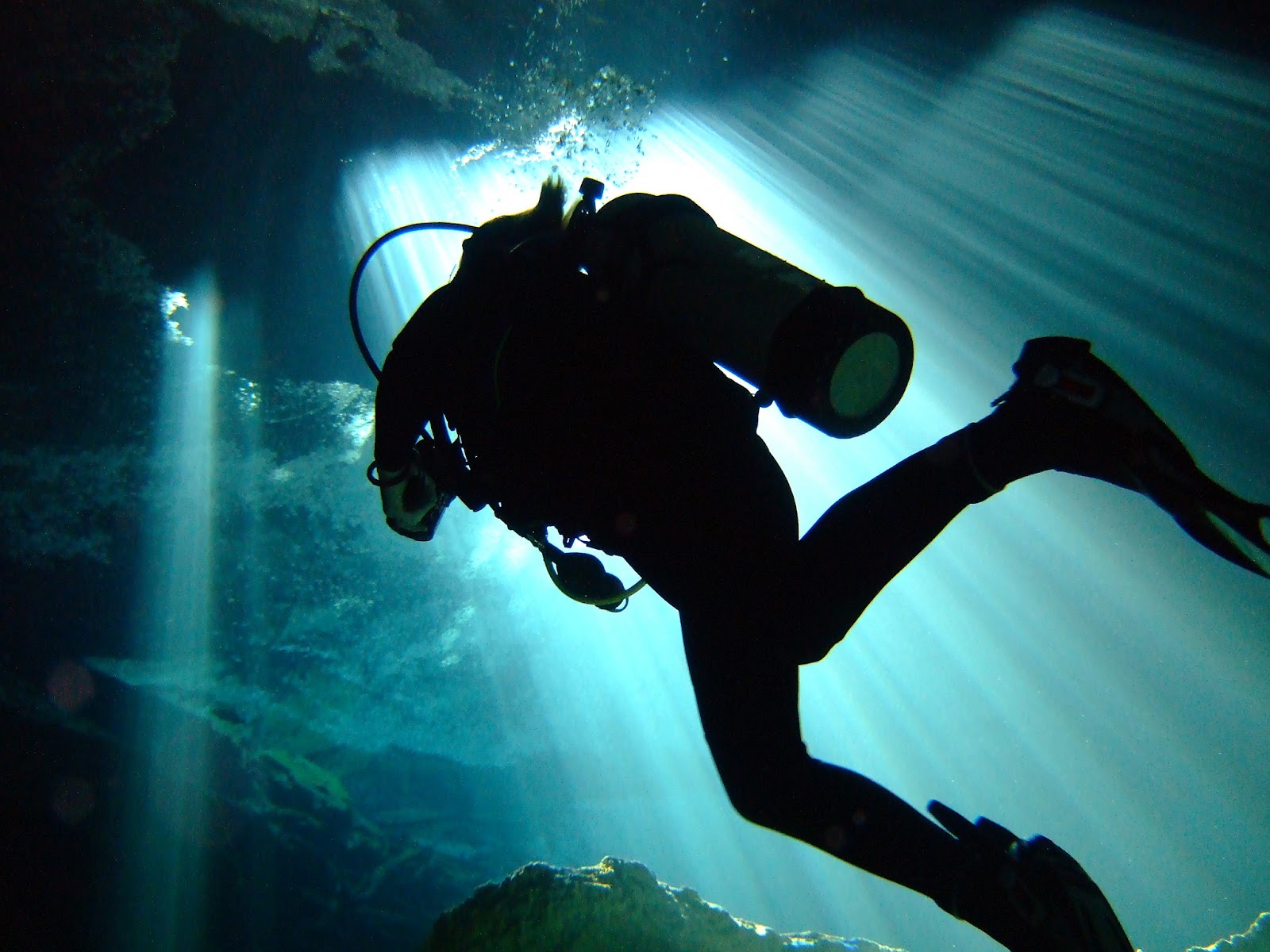
There are many great reasons to scuba dive, but the one that most captures people's imagination is marine wildlife. Red Sea Beach RestaurantFrom schools of tropical fish to sharks, tropical seas house an impressive chunk of Earth's life that most people only ever see on the Discovery channel. Still, as a diver, I firmly believe that swimming with a school of fish or sharing a manta ray's habitat for a few minutes is about more than recreation.
Seeing the ocean animals in their natural habitat makes them seem more real and worth protecting than any TV program could. At each of these five incredible destinations, divers can get up close and interact with some of the planet's most powerful and beautiful animals. The action is just below the surface at many of these sites, so even novice divers can participate.
 |
| Image Source: PalauNow.com |

There are a whole host of good reasons to dive in Palau, a tiny island nation in the south Pacific. The islands have been famous as a wreck diving site since 1969, when Jacques Cousteau came to Palau's Chuuk Lagoon in 1969 to film the wreckage of Japan's Pacific fleet, most of which sunk there during World War II. The wrecks have since been colonized by a variety of marine life that includes corals, rays, turtles, and over 200 species of fish.
Above all, Palau is known for it's sharks, with some 130 threatened species inhabiting the islands. To protect the islands' ecosystem, Palau's government in 2009 named the country's waters a 'shark sanctuary', banning all commercial shark harvesting. Divers are likely to run into grey reef sharks, whitetips, and other species patrolling both wrecks and wall sites like Blue Corner.
 |
| Image Source: AboutAustralia.com |
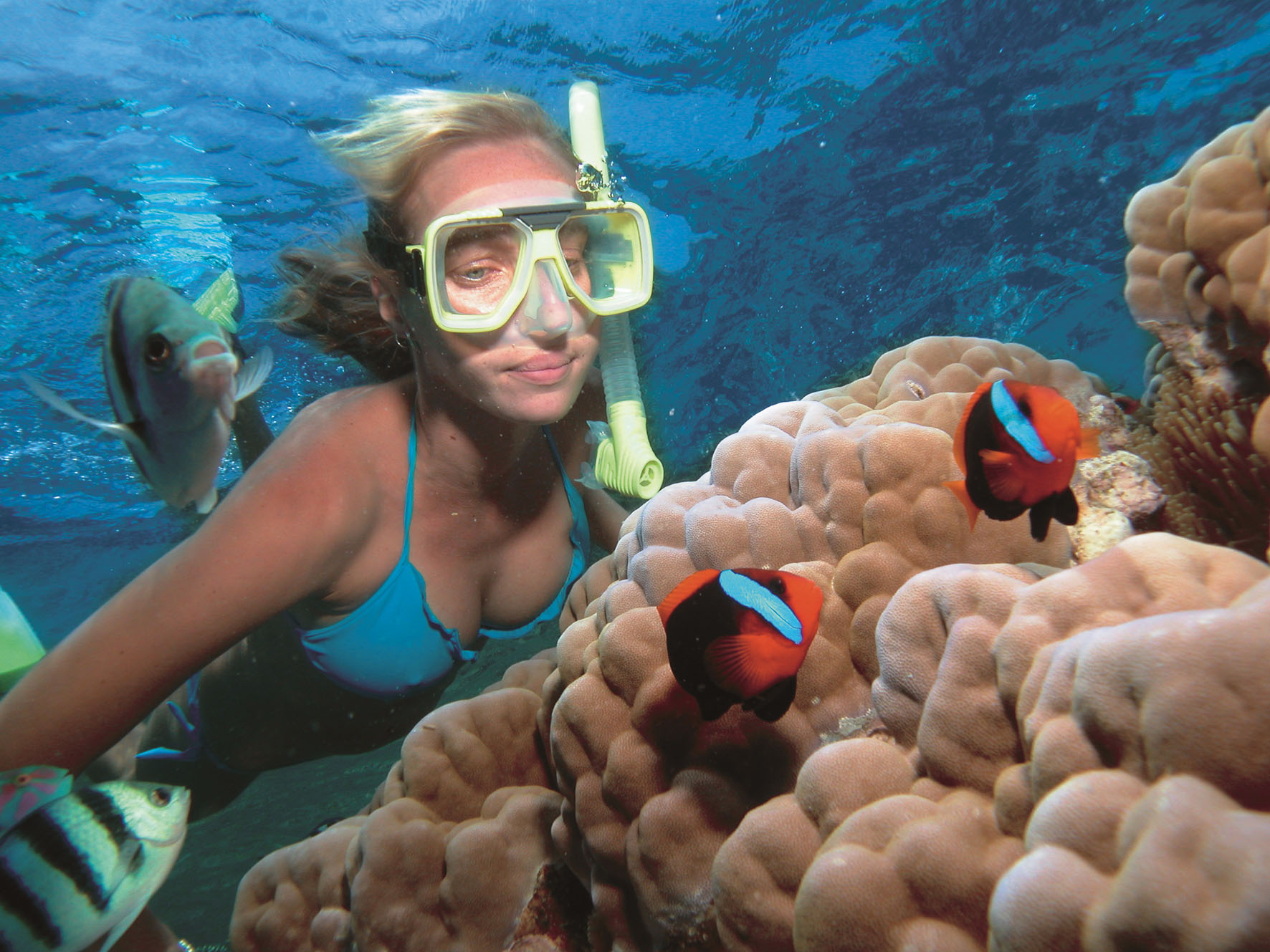
While most Americans would be hard-pressed to find Palau on a map, even non-divers know the Great Barrier Reef. Running nearly 1,500 miles down the eastern coast of Australia, the Great Barrier Reef is the largest reef in the world and is said to be visible from space. To go with its size, the Great Barrier Reef has an almost unfathomably large collection of sea life. Besides moray eels, wrasse, and other common coral-dwellers, rarer creatures like giant clams and sea snakes abound.
Visiting the Great Barrier Reef by car is a good alternative for those who aren't willing to commit to a liveaboard: the GBR is probably the world's most road trip-friendly reef, and many people choose to town-hop down the coast, doing their diving by day boat. From Cairns on the reef's northern end, divers can catch a boat out to Hamilton Reef, a favorite spot for marine mammals like dolphins and Minke whales. Moving south, Townsville is the base for trips to the SS Yongala, a 1911 wreck-turned-reef that now sports turtles, large sea snakes, and other super-sized animals. Gladstone, located further south, is the connection point for boats to Heron Island, said to have some of the best diving on the GBR.
 |
| Image Source: HumboldtExplorer.net |

Known for inspiring Darwin's theory of evolution, Ecuador's Galapagos Islands are now a UNESCO World Heritage Site and a reserve for one of the world's largest populations of endemic wildlife. With the waters around the islands protected, the local fish have very little fear of humans, and many will even approach divers. Sea lions, turtles, and manta rays are everywhere, and starfish, sea cucumbers, and Galapagos crabs seem to cover the sand in some spots. Sharks, including hammerheads, are common but not dangerous. Diving in Galapagos is tricky, and really only for experienced divers.
The islands are unusual for the tropics in that most of the diving is on volcanic drop-offs instead of coral reefs, so dive sites are deep and very exposed to ocean currents. Thanks to the Antarctic Humboldt current, which passes by the islands, the water is unusually cold for the equator; a 7mm wetsuit is standard gear. If you're planning on going to Galapagos, keep in mind that all visitors, whether Ecuadorian or foreign, need an INGALA transit card to visit the islands; the card costs $10 for foreigners and must be purchased before going to Galapagos. Visitors also have to pay a park fee ($100 for foreigners) upon arrival in the islands.
 |
| Image Source: VillaCostarica.com |

Costa Rica is famous as an eco-tourism destination, and few places in the country are better for it than Cocos Island, a rainforest-covered spot of land 340 miles off Costa Rica's Pacific shore. Accessible only by liveaboard, Cocos is one of the largest uninhabited islands outside of the Arctic: the only residents are a group of about 30 park rangers. While visitors can land for day hikes and other activities, they have to be off the island by nightfall.
Cocos is an oceanic island, so visitors can expect to see an eclectic mix of animals, including octopuses, Booby in Galapagoshawksbill turtles, tuna, and hammerhead and whitetip sharks. The island is especially famous for whale sharks, most often sighted in deep, off-shore sites like Dirty Rock, a 100-yard-wide underwater channel northwest of the island. As in Galapagos, the diving in Cocos is generally on the deep side and in strong current, so it's not for beginners. With sea kayaking and whale-watching nearby, divers shouldn't have a hard time keeping themselves occupied during surface intervals.
 |
| Image Source: DiveDiscovery.com |
Europeans have been diving the Red Sea for decades, but it's only been in the past few years that American divers have begun to join them. The 1,200-mile-long sliver of water has an impressive variety of habitats available for divers to visit, from coral reefs in the south to deep walls and wrecks in the north. The Egyptian city of Sharm El-Sheik has become the base for Red Sea diving; from there, visitors can board a liveaboard or take day trips to coastal sites.
The extra-saline Red Sea's marine life is much like that found in the Indian Ocean, with a few endemic species like the blue-cheek butterflyfish thrown in for good measure. There are loads of sponge and coral species, dolphins, sharks, and tropical fish like anthias and clownfish. At 1,200 miles long, there's plenty of Red Sea to explore, and divers may even need multiple days to exhaust the possibilities at enormous offshore sites like Daedalus Reef.
This Palace Travel Facebook page has more articles about travel and leisure.
Thursday, November 29, 2012
Expanding frontiers in Africa
This article from News.com.au talks about Africa’s remarkable and awe-inspiring transformation as it opens its doors to tourists from around the world.
From getting up close to gorillas in Rwanda to camping in luxury tents in Kenya, Australians are embracing Africa like never before. Travel to sub-Saharan Africa has risen by more than 200 per cent over the past decade, according to Australian Bureau of Statistics figures, and travel companies are adding more tours to cater for growing demand.
Andrew Kelleher, who is product manager for Scenic Tours and Evergreen Tours, says that while backpackers travel on overland trucks in off-the-beaten-track destinations in Malawi, Zambia, Botswana and Namibia, older travellers are embracing luxury lodges in South Africa, Kenya and Tanzania. Kelleher says they prefer longer stays of three nights at each 5-star lodge. "They prefer to travel in July, August or September which is peak time for the Great Migration in Kenya," he says.
Kelleher says there is also growing interest in the luxurious Rovos train trip in South Africa and the Blue Train between Pretoria and Cape Town. Scenic Tours has introduced a six-day itinerary to the Okavango Delta in Botswana next year. "We only put the brochure out a month ago and we already have people booked on it," Kelleher says. "It's expensive but it's top of the tree with everything included from massages to ... safaris and you're in an area where there's no other people."
Travel Directors marketing manager Helen Power says they have introduced more tours to Africa in the past few years because of demand. "Up until three or four years ago we didn't focus that much on Africa but our clients were saying ' ... why don't you do more in Africa?' so we're really ... expanding our product," Power says.
She says the company's most popular tour is the 28-day African Dawn itinerary in January, which includes mountain gorillas in Rwanda, and Uganda and Ethiopia for the Timkat Festival - one of the world's biggest religious festivals.
APT introduced Africa to its program in May and is expanding it next year with new lodges and hotels, a new private game reserve and a second itinerary with a three-day Zambezi Queen luxury cruise safari on Botswana's Chobe River.
APT sales manager Scott Ellis says travellers are preferring to travel in smaller groups and stretch their trip for up to a month to see as much as they can because they see it as a once-in-a-lifetime experience.
The company is offering a companion-fly-free deal (excluding taxes) from $795, for bookings before December 31, saving up to $2040 a couple.
Source:http://www.news.com.au/travel/holiday-ideas/expanding-frontiers-in-africa/story-e6frfqd9-1226478698473
From getting up close to gorillas in Rwanda to camping in luxury tents in Kenya, Australians are embracing Africa like never before. Travel to sub-Saharan Africa has risen by more than 200 per cent over the past decade, according to Australian Bureau of Statistics figures, and travel companies are adding more tours to cater for growing demand.
 |
| Sunset above the African River |
Andrew Kelleher, who is product manager for Scenic Tours and Evergreen Tours, says that while backpackers travel on overland trucks in off-the-beaten-track destinations in Malawi, Zambia, Botswana and Namibia, older travellers are embracing luxury lodges in South Africa, Kenya and Tanzania. Kelleher says they prefer longer stays of three nights at each 5-star lodge. "They prefer to travel in July, August or September which is peak time for the Great Migration in Kenya," he says.
 |
| Lionesses fighting over prey |
Kelleher says there is also growing interest in the luxurious Rovos train trip in South Africa and the Blue Train between Pretoria and Cape Town. Scenic Tours has introduced a six-day itinerary to the Okavango Delta in Botswana next year. "We only put the brochure out a month ago and we already have people booked on it," Kelleher says. "It's expensive but it's top of the tree with everything included from massages to ... safaris and you're in an area where there's no other people."
Travel Directors marketing manager Helen Power says they have introduced more tours to Africa in the past few years because of demand. "Up until three or four years ago we didn't focus that much on Africa but our clients were saying ' ... why don't you do more in Africa?' so we're really ... expanding our product," Power says.
 |
| A pack if African Gorillas taking a stroll |
The company is offering a companion-fly-free deal (excluding taxes) from $795, for bookings before December 31, saving up to $2040 a couple.
Source:http://www.news.com.au/travel/holiday-ideas/expanding-frontiers-in-africa/story-e6frfqd9-1226478698473
Subscribe to:
Posts (Atom)